Honda Car Key Replacement: What Makes Honda Keys Different
Honda has used several key technologies across its lineup over the past two decades, and the differences matter when it comes to replacement. Older Civics and Accords from the late 1990s and early 2000s used basic metal blade keys — straightforward to cut but still requiring the correct key blank for the specific door lock cylinder. Starting around the mid-2000s, Honda transitioned broadly to transponder keys, which contain a small electronic chip inside the plastic head. The vehicle's immobilizer system must recognize that chip's unique code before the engine will start. If a replacement key is cut correctly but not programmed, the car will crank but won't fire — a detail the dealer often skips explaining before charging a premium for the visit.
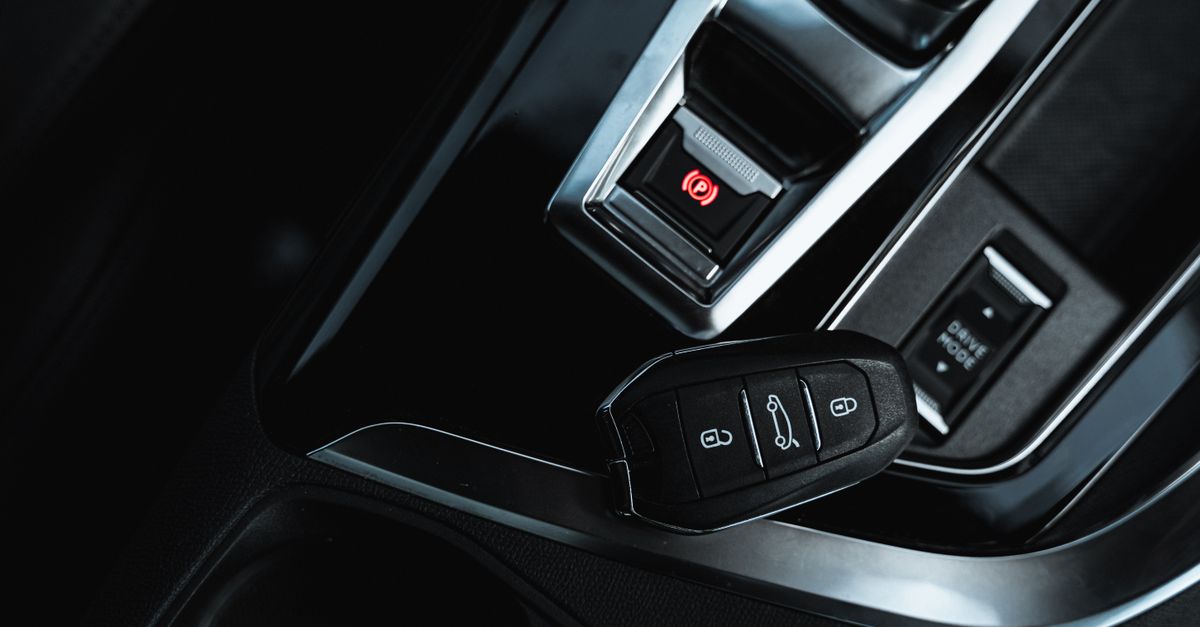
More recent Honda models — including many Accord, Pilot, Odyssey, CR-V, and Ridgeline trims — use proximity smart keys that communicate with the vehicle continuously and allow push-button starting. These require precise programming to your vehicle's specific VIN and cannot simply be ordered online and plugged in. Our technicians carry professional-grade key-cutting machines and OBD-level programming tools that handle the full range of Honda key types, including blade keys, flip keys, transponder keys, key fobs, and proximity smart keys. We make Honda car keys on-site — often the same day you call, frequently faster and at a more straightforward price point than scheduling a dealer service appointment.