Why Keys Snap — and Why DIY Removal Usually Makes It Worse
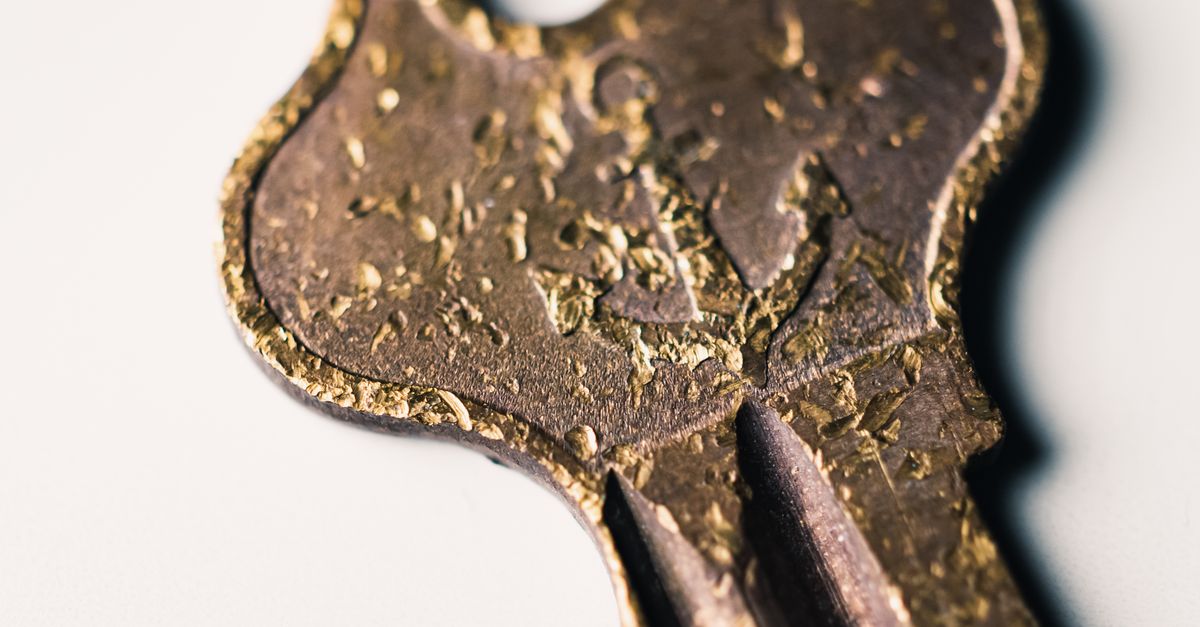
Keys break for several predictable reasons: metal fatigue from years of daily use, a worn or partially seized lock cylinder that forces you to apply extra torque, extreme temperature swings like the humid Raleigh summers and occasional winter ice storms that cause both metal and lock internals to expand and contract, or simply a key blank that was cut slightly off-spec. Mortise locks — those deep, rectangular lock bodies common in older Raleigh commercial buildings and historic homes in neighborhoods like Boylan Heights — are particularly unforgiving when a key snaps, because the fragment can travel deeper into the mechanism and become wedged behind internal levers. Door knob locks on modern residential properties present their own challenge, since the cylinder is smaller and tolerances are tighter.
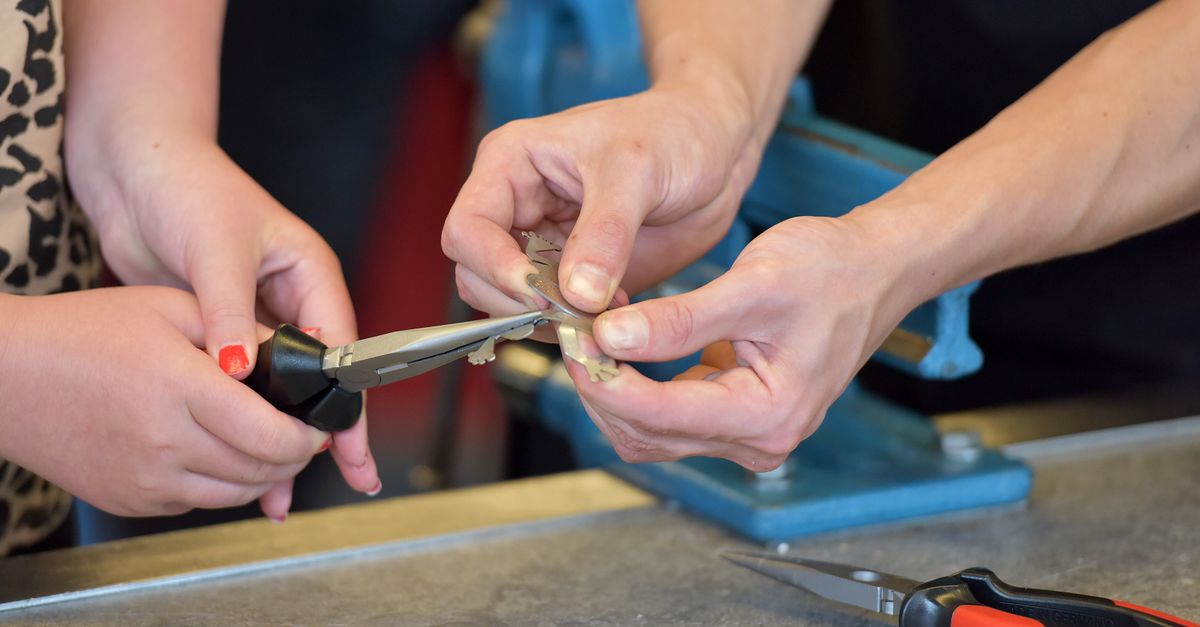
Many property owners instinctively reach for tweezers, a bobby pin, or a thin screwdriver the moment a key breaks. In most cases this pushes the fragment further into the cylinder, scores the internal pins, or causes the cylinder itself to lock up completely. A damaged cylinder can dramatically increase the cost and complexity of the repair. Our technicians have the specialized extraction hooks, jig sets, and illuminated micro-tooling to work around the fragment cleanly, preserving the cylinder wherever possible so you are not paying for a full re-key or replacement lock you did not need.