What Commercial Access Control Installation Actually Involves
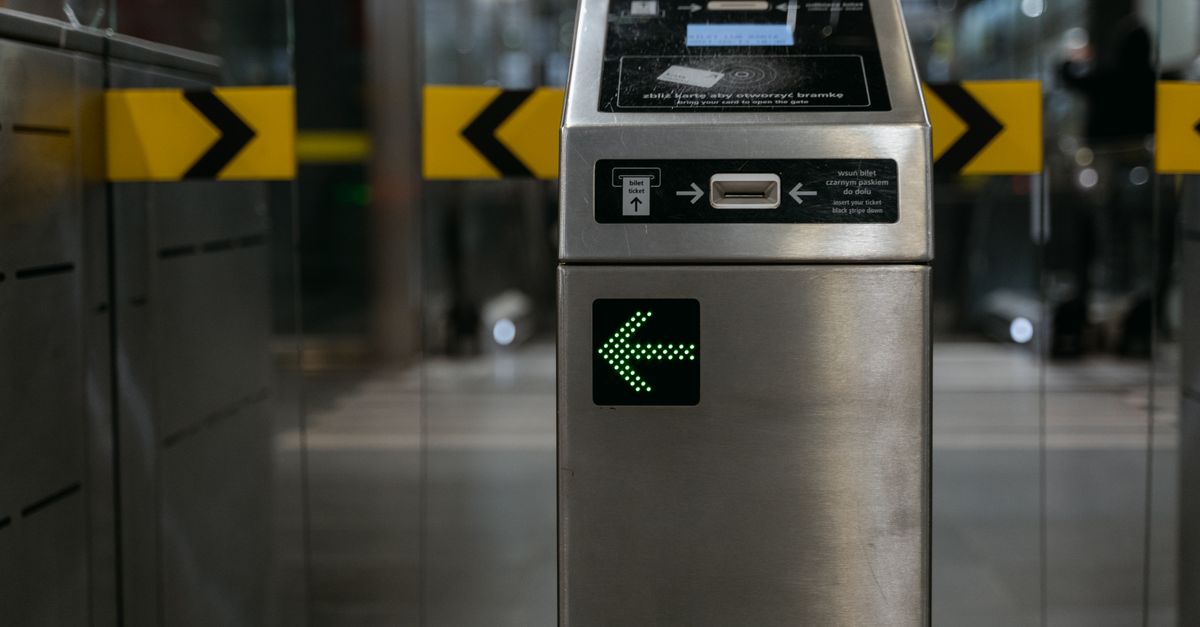
Modern commercial entry is rarely a single product — it is a layered system. A complete access control installation typically begins with a door-by-door audit: which entrances carry the highest foot traffic, which need time-restricted access for shift workers, and which require an audit trail for compliance purposes. From there, a qualified technician selects and fits the appropriate hardware — electric strikes, magnetic locks, standalone keypads, or networked credential readers — matched precisely to the door's frame, swing, and fire-rating requirements. Wiring is routed cleanly, often inside existing conduit runs, to avoid surface damage and keep the finished installation looking professional.
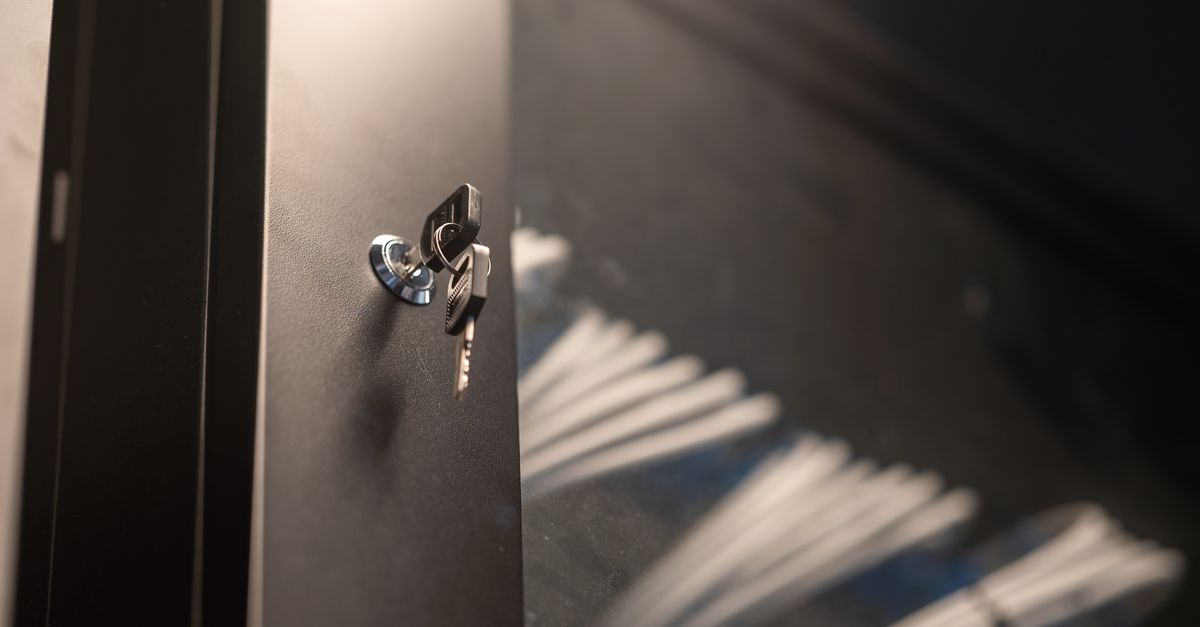
The mortise lock is the backbone of most serious commercial door assemblies. Unlike a cylindrical borehole lock, a mortise lock is recessed into a deep pocket cut into the door edge, giving it a dramatically larger and more robust internal mechanism. An access control mortise lock integrates the electronic credential reader — keypad code, proximity fob, smart card, or mobile credential — directly with the latch and deadbolt functions of that mortise body. The result is a single, tamper-resistant unit rather than an add-on retrofit. For Raleigh businesses dealing with high daily entry volume or stringent insurance requirements, an access control mortise lock is frequently the most durable and code-compliant choice available.